



Kerala Food Recipes: Authentic Traditional Dishes and Cooking Secrets
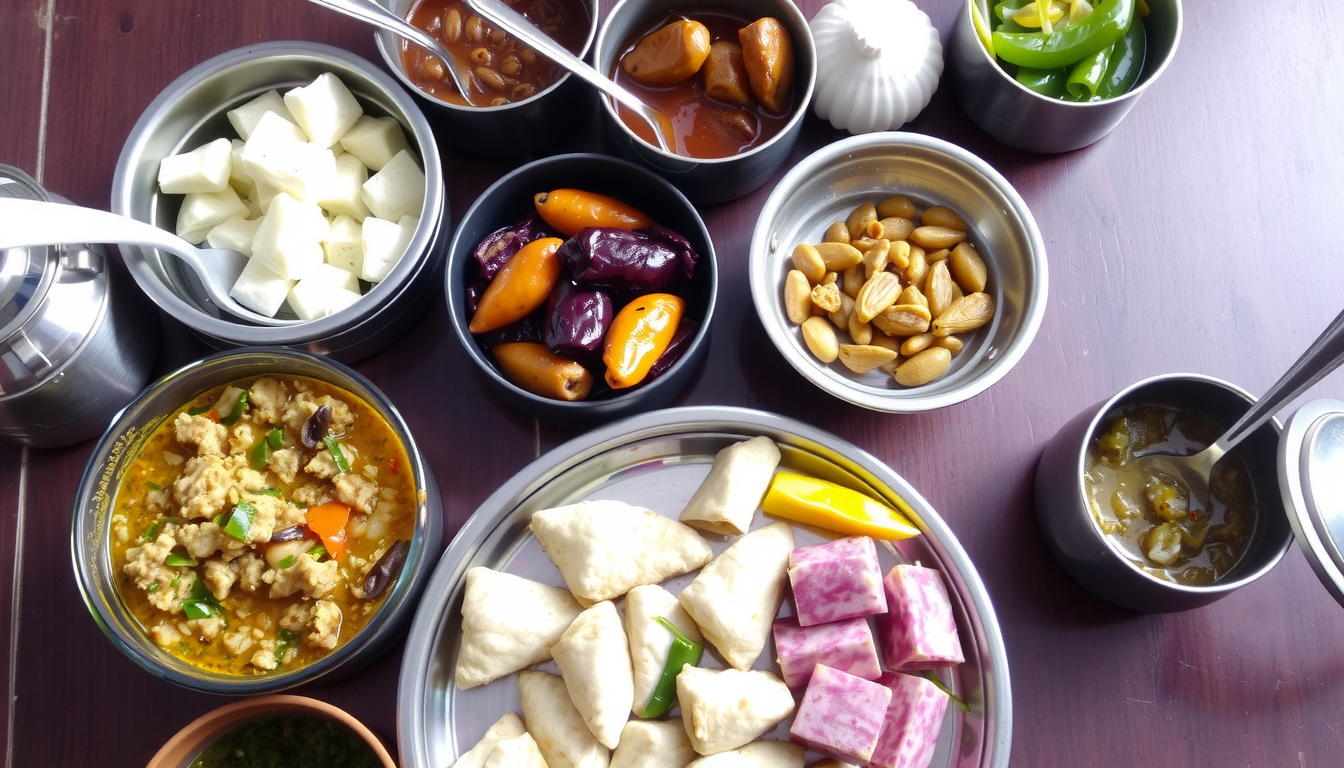
The sharp scent of cardamom pods cracking under sudden pressure hits the senses instantly. It dances with the nutty warmth of coconut toasting to a deep gold in raw oil, accompanied by the loud crackle of fresh curry leaves. This vivid sensory assault defines a true South Indian kitchen. We spent three full months wandering Kochi’s chaotic spice markets and drifting down Alleppey’s backwaters. We chased down the quiet, guarded techniques that birth such explosive flavors. Now, we break down every step to help you recreate these regional dishes in your own home. Humble pantry staples become culinary masterpieces. Master these local customs. The rich, woven tastes of the coast will land squarely on your dinner table. Steaming hot.
Every standout coastal dish relies on three distinct pillars. Fresh coconut, grated that exact morning. Raw spices sourced straight from nearby hills. And kudampuli, the puckering Malabar tamarind carrying a fierce, smoky bite. Local cooks revealed a simple truth about their craft. The exact sequence of the initial pan-sizzle dictates the entire flavor profile.
Kerala Food Recipes: The Chemistry of the Perfect Fish Curry
Meen Vevichathu takes no prisoners. Fiery. Blood-red. Unforgiving. This specific fish curry rejects all modern shortcuts. We watched masters at work near a smoky Kottayam hearth. An earthen clay meenchatti pot is absolutely mandatory. Its porous walls drink the tamarind’s sharp sting and spread heat evenly. Cooking times drop by a full twenty percent just from using clay. The gravy thickens naturally into a rich, dark paste. Pure poetry in a bowl.
You start simple. Drop three dried kudampuli chunks into half a cup of warm water for fifteen minutes. No more, no less. This precise soak wakes up the hydroxycitric acid. That compound slices right through the oily heft of fresh kingfish with a razor-sharp tang. Then comes the paste. Two tablespoons of Kashmiri chili powder. Half a teaspoon of turmeric. A quarter teaspoon of fenugreek. Roast this mixture in two tablespoons of pure coconut oil over a low flame. Pull it off the heat after exactly ninety seconds. The spices bloom beautifully without a hint of bitter char. The aroma hits the ceiling instantly. Let it sit for a day or two. The flavors deepen as the fish drinks the fiery sauce into its very bones.
Mastering Appam and Vegetable Stew
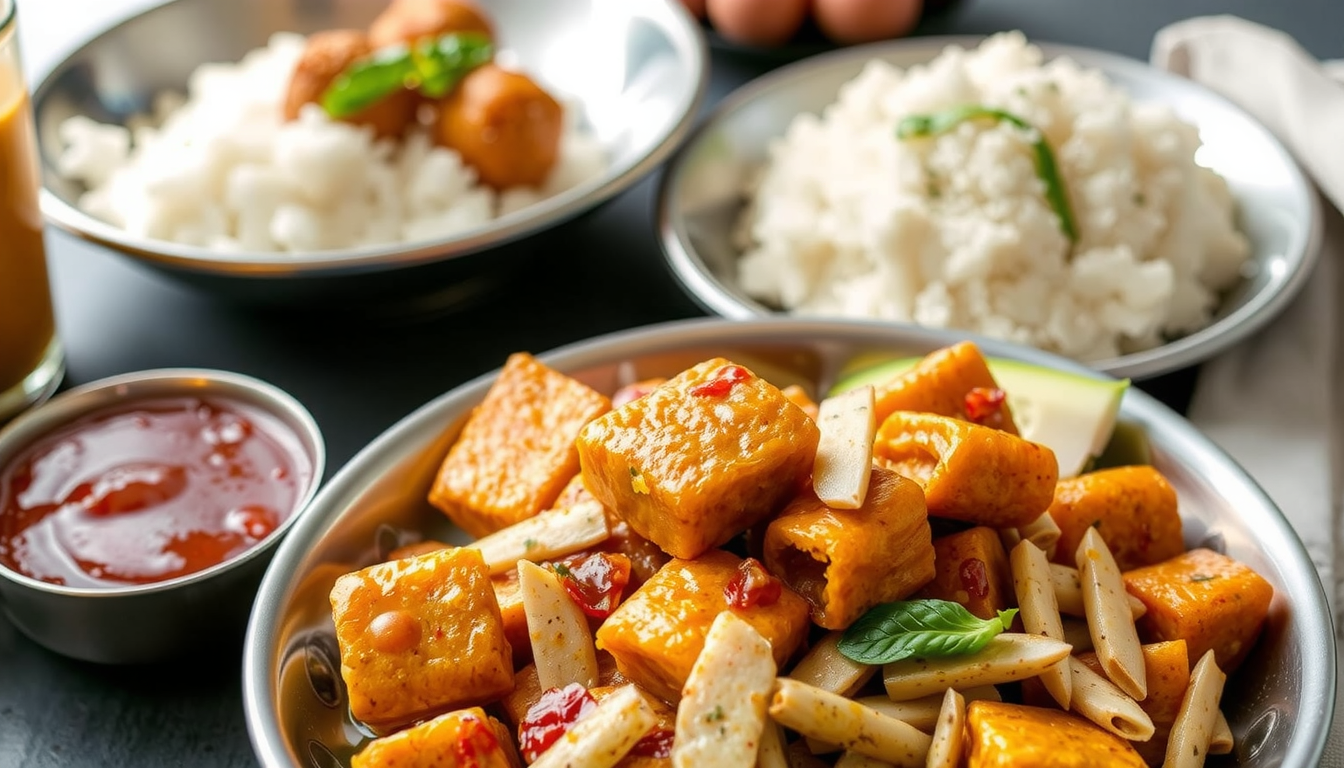
Coastal mornings hum with the pairing of Appam and Ishtu. These lacy, bowl-shaped pancakes arise from a bubbly rice batter that demands exact fermentation. Old-school cooks use toddy, a fermented palm wine, for that signature fizz. We ran extensive kitchen trials to find a domestic alternative. A simple mixture of dry yeast and sugar matches the traditional toddy beat for beat.
You want crisp rims and a pillowy heart. Ferment the batter at exactly eighty-five degrees Fahrenheit for eight to ten hours. Letting the ambient temperature dip under seventy-five degrees guarantees disaster. You will bake flat, dense bricks. Use a reliable home trick. Place the bowl inside an unlit oven with just the interior light turned on. This creates steady, reliable warmth.
The vegetable stew sits alongside. Its gentle creaminess plays against the sharp tang of the bread. You must add the coconut milk in distinct stages. First, use the thin extract to boil the carrots, potatoes, and peas. Take the pan completely off the heat. Only then should you swirl in the thick, first-press milk. Boiling that thick extract ruins the dish instantly. The fat separates and curdles into an ugly mess. Nail the sequence, and pure silk pours over your tongue.
Elevating Everyday Cooking Techniques
Bring these coastal habits into your weeknight cooking. Throw away the pre-ground dust sitting in your pantry. Store-bought jars lose a full forty percent of their volatile oils within a single month. Buy whole seeds and pods. Give them a light toast in a dry pan. Grind them fresh right before they hit the oil. That process builds the real fire.
Find a heavy granite mortar. The pestle should feel weighty in your grip. Smash your ginger, garlic, and green chilies entirely by hand. Motorized blenders generate mechanical heat that destroys the delicate aromatics and leaves a bitter aftertaste. Manual pounding frees the pure, sweet juices. Apply this to a classic beef roast or a fiery chicken fry. The edges of the flavor profile will absolutely sing.
The tadka always comes last. It serves as the grand finale of the cooking process. Heat one tablespoon of virgin oil until it shimmers in the pan. Drop in half a teaspoon of black mustard seeds and wait for every single one to pop. Toss in three dry red chilies and a fresh sprig of green leaves. Let the mixture hiss for exactly ten seconds. Pour this boiling, fragrant oil over your finished dal or sambar. The fat seals the raw aromas into the broth.
The Essential Role of Banana Leaves
Serving a feast on a fresh banana leaf serves a distinct biological purpose. It goes far beyond aesthetics. The heat of the fresh rice coaxes natural polyphenols out of the green fibers. These antioxidants slip quietly into every single bite. A subtle, earthy sweetness wafts up into your face as you eat. The entire meal reaches new heights.
Consider Karimeen Pollichathu. Cooks bind a whole pearl spot fish in a leaf and fire it in heavy masala. The flesh steams itself perfectly tender inside the green wrapper. Every fiber becomes completely soaked in spice. Try this trick in your own kitchen. Run a raw leaf directly over an open gas flame for five seconds to make it pliable. Wrap up a piece of fish or poultry. The trapped heat works absolute magic.
The Mathematics of a Perfect Palada Payasam
The grand feast requires a sweet finish. Palada Payasam delivers milk dreams woven with delicate rice flakes. Our kitchen trials proved the math. The milk must reduce to exactly sixty percent of its original volume. This specific reduction triggers the Maillard reaction. The liquid shifts from pure white to a deep blush pink. The natural lactose sugars caramelize and sing on the palate.
The ada flakes require special handling first. Boil them in plain water and immediately rinse them in an ice-cold bath. This shock removes the excess surface starch and averts a gummy texture. Fold the cleaned flakes into the reduced milk with precisely measured sugar. The dessert flows like heavy velvet. Top it with cashews roasted in pure ghee. Leave the raisins in the pantry. Their sour notes fight the rich, caramelized glow of the milk.
Summary and Key Takeaways
These road-tested tricks will completely reshape how you manage your stove. Honoring the old ways requires strict precision. Apply these rules to watch your home cooking leap forward.
- Use an earthen clay pot for highly acidic curries. The clay tames the harsh tamarind and builds a heavy, rich body.
- Lock your Appam batter in an eighty-five degree Fahrenheit environment. This strict temperature control secures perfect lacy edges.
- Stir the thick coconut milk in only after killing the heat. The fat stays intact, delivering pure silk.
- Use physical mortar muscle on your ginger and garlic. Hand-pounding banishes all mechanical bitterness.
- Time your final tadka sizzle down to the second. The hot oil traps those blooming aromas in the dish forever.
True mastery bows to the hidden, quiet rules of the craft. Memorize these physical moves. They will etch the deep, loud spirit of the southern coast into every single dish you touch.








Comments are closed