




Kerala Travel Guide: Discovering Hidden Places Beyond the Postcard
This Kerala travel guide unfolds like a breeze carrying whispers from forgotten corners. Dreams from glossy pages fill your mind upon landing: houseboats gliding through veiled backwaters, mist-shrouded spice plantations, shores edged with nodding palms. Yet the deepest stories lurk off the map. Silent hamlets where canoe blades cut water as they have for generations. Dawn-lit tea slopes that morph hills into ethereal visions. This Kerala travel guide tugs you from crowded trails into places throbbing with the state’s untamed essence. Whether a quick escape or a wandering odyssey, enchantment ignites in those quiet folds.
The Backwaters Beyond Alappuzha: Where Time Moves Differently
Imagine drifting into Kerala’s backwaters, a labyrinth of 900 kilometers in hidden streams. Throngs pack Alappuzha and Kumarakom houseboat lanes. Real thrill pulls northward to Ashtamudi Lake near Kollam. Twenty-two square kilometers of serene expanse, ignored by the masses. Grab a kettuvallam here. Crowds vanish. Prices stay honest at 8,000 to 12,000 Rupees for a night. Alappuzha demands double, 15,000 to 25,000. Fishermen open their lives, gritty and genuine.
Vembanad Lake unfurls 96.5 kilometers, India’s mightiest. Kumarakom and Neendakara hamlets summon the daring. Slip into age-old fishing rituals. Towering Chinese nets, relics from 500 years ago, sway and plunge. Dawn cracks open. Men yank them skyward in a rhythm etched in time. Over 100 bird types swarm from November through February. Siberian cranes. Pintails. Wings fill the air with song.
Veli Lake hides in Thiruvananthapuram. Four point five square kilometers, sealed from the Arabian Sea by a sandy barrier. Fresh currents clash with brine. Fishermen hook pearl spots and mullet using tricks passed down generations. Visitors pass it by. Loneliness rules. Kerala in its pristine form.
Tea Gardens and Mountain Retreats: Munnar’s Lesser-Known Neighbors
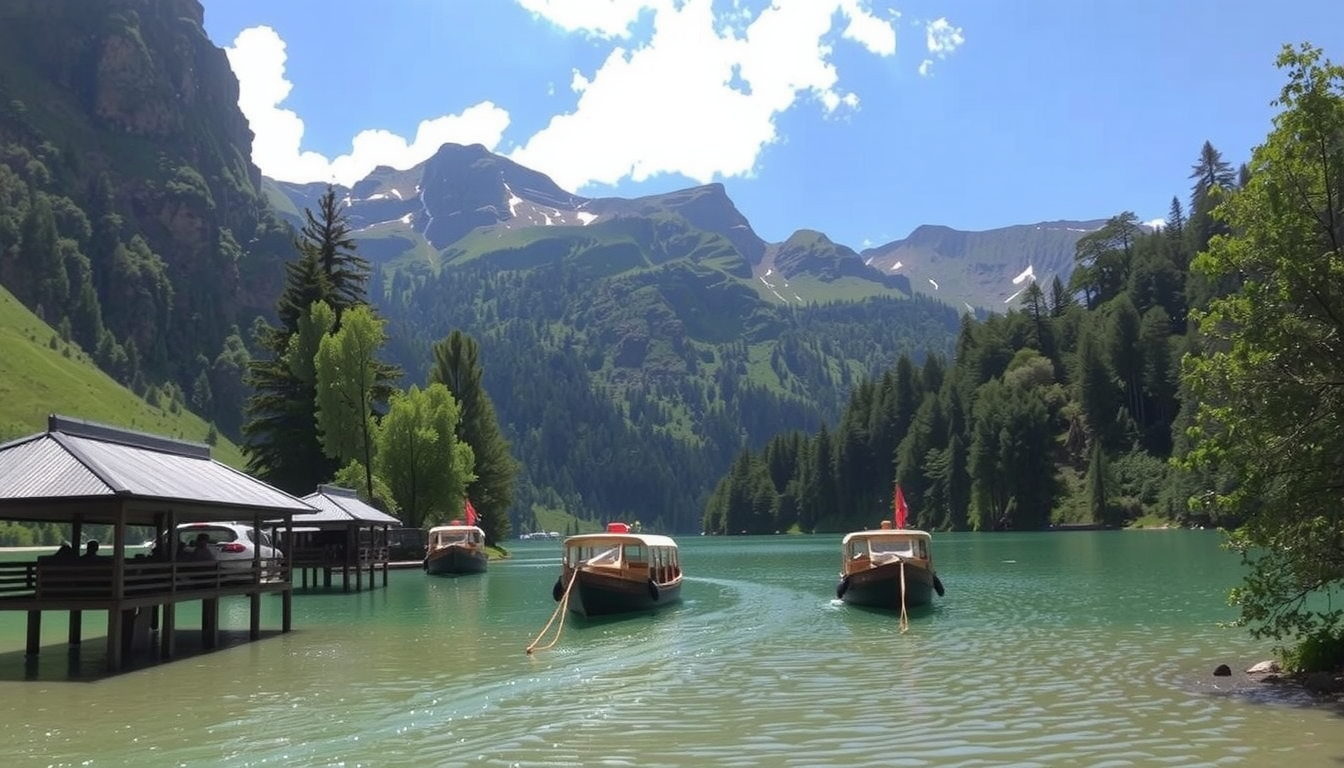
Munnar lures 1.5 million visitors each year to its vivid green crests. Forty kilometers distant, Chinnar Wildlife Sanctuary lies forgotten. Ninety square kilometers shelter the grizzled squirrel, now just 200 strong in the wild. Arid woods crunch beneath boots, a stark shift from Munnar’s lush blankets. Ascend Thandikudi Peak at 2,000 meters. Ghats sprawl below. No swarms. No peddlers.
Idukki blankets 4,440 square kilometers. Marayoor squats 50 kilometers northeast of Munnar, at 1,600 meters elevation. Winding paths snake in. Cardamom, cinnamon, pepper thrive feral and true. Farms throw gates open. Join the harvest, hands roughened like the locals’, for a day. Grasp the labor. Snag goods from the earth, 30 to 40 percent below Munnar prices.
Periyar Tiger Reserve claims 777 square kilometers against Tamil Nadu. Dodge the boat jams on Periyar Lake. Kumily’s highland teems with pepper, cardamom, tea in wild tangles. Three-day hikes dive into ancient forests. Guides limit parties to eight. Permits cost 2,500 Rupees apiece. Elephants plod. Gaur bellow. Sambar fade into dusk. The wild exhales.
Coastal Hidden Places: Beyond Kochi and Kovalam
Kerala’s 580 kilometers of coastline. Kochi’s waterways and Kovalam’s dunes devour the masses. Varkala perches 50 kilometers south of Kochi. Cliffs drop 40 meters to waves over two kilometers, Kerala’s sole sheer drama. Guesthouses cling to the edge, dodging resort flash. Sunsets blaze the horizon. Papanasini River tumbles into a sacred pool below. Myths swirl in the mist.
Bekal Fort looms in Kasaragod, Kerala’s largest from 1645. Forty acres of ramparts, towers, secret passages. Bekal Beach stretches eight kilometers, scarcely scarred. Dawn anglers toss lines. Catch your evening meal fresh. Beach homestays go for 800 to 1,500 Rupees a night. Steals beside southern extravagance.
Kannur’s Payyambalam Beach shimmers. Nearby Fort Kannur murmurs of spice battles. Portuguese. Dutch. British. Ages of commerce etch the rock. Museum overflows with artifacts. Daily life pulses, residents eye you with true curiosity, free of hawking.
Spice Plantations and Agricultural Tourism: The Working Landscape
Spices carve Kerala’s identity, roots twisting back centuries. Thekkady outings fetch 500 to 800 Rupees for rehearsed strolls. Idukki’s Vandiperiyar, 30 kilometers aside, beats a different drum. Family plots nestle in the hills. Hosts guide through bulging cardamom, creeping pepper, peeling cinnamon, vanilla blooms. Two hundred to 300 Rupees grants entry, plus meals spiced from the ground. Reap from September to November. Limbs burn. Reality seeps deep.
Cocoa grips Idukki, yielding 15,000 tons yearly. No buses pursue it. Kattappana growers welcome eyes on beans fermenting, curing over 120 days into manor chocolate. Free, with a polite nudge. Farmers glow, proud of their trade.
Planning Your Kerala Travel Guide Adventure: Practical Considerations
November to February rules supreme. Temperatures hover 20 to 30 Celsius. Skies stay clear. Monsoon from June to August transforms all. Downpours turn landscapes vivid green. Cascades roar. Rates plunge 40 to 60 percent. Trails empty, fostering chats with natives.
Navigate wisely. Buses reach all spots for 50 to 200 Rupees. They crawl. Scooters or bikes rent at 300 to 500 per day. Dart down obscure byways. Car drivers charge 1,200 to 1,800 daily, sharing tips on food and views. Roads improved recently. Hills hairpin sharply. Stay alert.
Lodging spans budgets. Homestays at 600 to 1,200 Rupees offer home meals. Hints to tucked-away gems. Mid-range hotels 1,500 to 3,000. Luxury exceeds 5,000. Two thousand homestays across the state, checked by tourism boards for honest value.
Essential Takeaways for Your Kerala Travel Guide Journey
Shun the masses. Plunge into hamlets clinging to ancient water and soil rites. Ashtamudi and Vembanad offer authenticity at low cost. Chinnar squirrels and Marayoor plots reveal Kerala’s fierce core. Varkala’s drops, Bekal’s barriers, Kannur’s strongholds stack history deep, hype thin. Converse with spice workers, homestay keepers, pathfinders. Journeys awaken. Your personal Kerala travel guide takes root, richer than any shelf brochure.







Comments are closed